
When most people think about roofing materials, they tend to think in terms of what they can already see on their property. If it’s always been a slate roof, the assumption is that slate is simply what their home has. But whether you’re facing a significant repair, a partial re-roof, or a full replacement, understanding the real differences between tile and slate and what each means for your home, your budget, and your maintenance schedule, is worth the time.
It’s a conversation we have regularly with homeowners across South West London, where the mix of period and modern housing means both materials are widely in use. Here’s what we genuinely think, having worked with both for over 25 years.
Natural Slate: Character, Durability, and Cost
Natural slate is one of the oldest and most prestigious roofing materials available. Its longevity is genuinely remarkable, a quality natural slate roof, well-maintained, can last over a century. The material is dense, virtually impermeable, and resists weathering exceptionally well. For older period properties across South West London, natural slate is often not just the preferred choice but the appropriate one, both aesthetically and in some cases for heritage or planning reasons.
The drawbacks are weight and cost. Natural slate is significantly heavier than most tile alternatives, which means the underlying roof structure needs to be adequate to support it. On older properties where the roof structure was originally designed for slate, this is rarely an issue. But on newer construction or on roofs where slate is being considered as a new installation rather than a replacement, it’s worth verifying that the structural capacity is there.
Cost is also a significant factor. Natural slate commands a premium over both artificial slate and clay or concrete tile, and finding skilled roofers who work with natural slate to a high standard is also an important consideration.
Clay and Concrete Tiles: Versatility and Value
Clay tiles have their own strong heritage in British roofing and are a common sight on period properties, particularly the distinctive red clay pantiles found on many Victorian and Edwardian homes across the capital. Like natural slate, handmade clay tiles can last many decades when well-maintained, and they carry a visual warmth and character that concrete alternatives struggle to replicate.
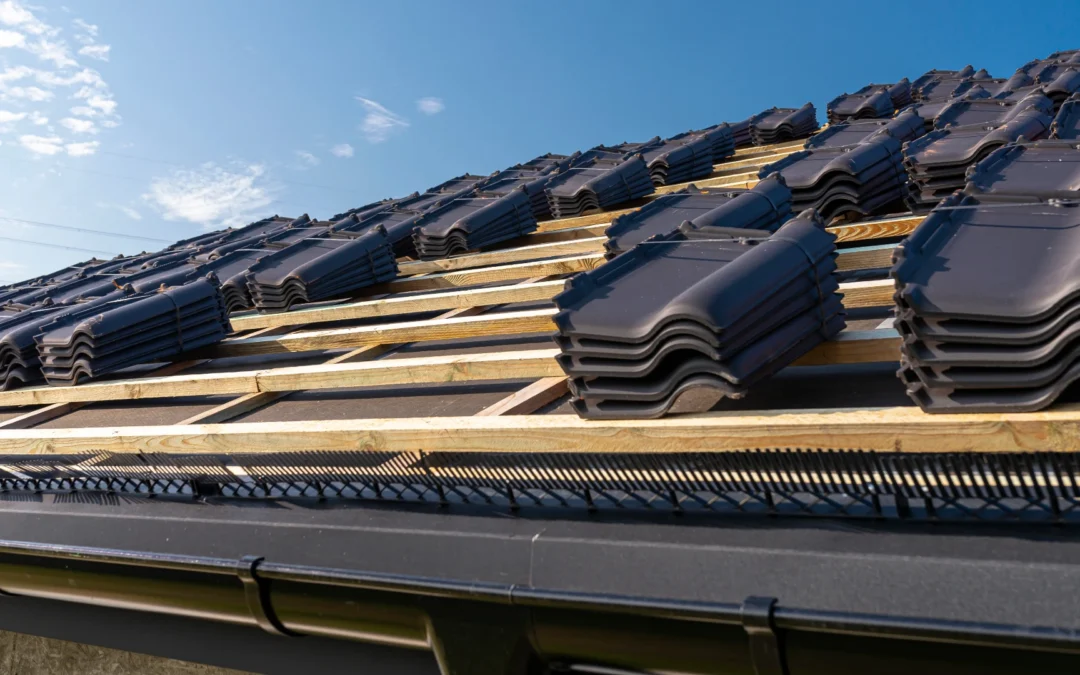
Concrete tiles are the more modern, more budget-friendly option. They’re widely available, straightforward to install, and come in a range of profiles and finishes that can approximate the look of clay or slate reasonably closely. Their lifespan is shorter than natural materials, typically 30 to 50 years and they are heavier than clay tiles, which is worth bearing in mind on older roof structures.
Artificial Slate: The Practical Middle Ground
It’s worth mentioning artificial or reconstituted slate separately, as it’s an option that’s grown significantly in quality and popularity over the last two decades. Modern artificial slates, made from fibre cement or recycled composite materials, can closely match the appearance of natural slate at a considerably lower cost and weight. For homeowners who want the look of slate without the premium price point, this is a genuinely viable option.
Quality varies considerably between manufacturers, so it’s important to choose a product with a strong track record and appropriate warranty. We’ve installed a number of artificial slate systems across South West London and are happy to advise on specific products based on the property type and budget involved.
Repair Considerations for Each Material
The approach to repairs differs depending on the roofing material. Slate repairs generally require sourcing matching material and with natural slate, colour and texture matching matters for both aesthetic and practical reasons. Mixing different slates from different quarries can create visual inconsistency and, in some cases, performance differences due to varying density and water absorption.
Tile repairs are generally more straightforward in terms of sourcing, though matching colour and profile on older clay tiles can require some hunting, particularly for discontinued profiles from historic manufacturers.
The most important thing in any repair scenario, regardless of material, is that the work is carried out by someone who understands the specific properties and requirements of what they’re working with. At Will Fix It, we work with all roof types and materials and can advise on the most appropriate repair approach for your specific property.
If you’d like to discuss your roofing material options or arrange a free assessment, our team is ready to help. Visit our roofing repairs service page to get started.