
There’s a moment every homeowner dreads standing in the loft, torch in hand, and realising the damp patch on the ceiling isn’t a one-off. A failing roof is one of the most stressful home problems you can face, but it’s also one of the most important to get right. We’ve been replacing roofs across the UK for years, and if there’s one thing we’ve learned, it’s that the homeowners who research their options thoroughly always end up happier with the outcome.
This guide covers everything you need to know about getting a new roof fitted from understanding when a repair simply isn’t enough, to choosing the right materials, finding a roofer you can trust, and knowing what to expect once the work gets started.
When Repair Just Won’t Cut It Anymore
A lot of homeowners ask us whether they really need a full replacement, or whether a patch-up job will do. It’s a fair question nobody wants to spend thousands when a few hundred pounds might solve the problem. In our experience, though, there are clear signs that point toward full replacement rather than repair.
If your roof is more than 20–25 years old, the materials will have degraded significantly regardless of how it looks from the ground. Tiles may be holding in place, but the felt beneath, the battens, and the flashing will all have reached the end of their natural life. Persistent leaks that keep returning after repair, visible sagging along the ridge line, widespread moss and algae growth embedded into the tiles, or large areas of missing or cracked tiles these are all strong indicators that repair is simply postponing the inevitable.
We always recommend a professional roof inspection before making any decision. A qualified roofer can assess the full structure, not just the tiles you can see and give you an honest picture of what you’re working with. Nine times out of ten, the honest assessment is exactly what homeowners need to move forward confidently.
Understanding Your Roofing Material Options
One of the first real decisions you’ll face is what materials to use for your new roof. This isn’t just an aesthetic choice; it affects the cost, longevity, weight, and maintenance requirements of your roof for decades to come. Here’s a breakdown of the most common options we work with.
Concrete and clay tiles are by far the most popular choice for pitched roofs in the UK. Clay tiles in particular have been used on British homes for centuries, and for good reason they’re durable, low maintenance, and they look fantastic on everything from Victorian terraces to modern new builds. Concrete tiles are a more affordable alternative with similar performance, though they tend to absorb more moisture over time. We’ve fitted both extensively, and the right choice often comes down to the style of the property and the client’s budget.
Natural slate is a premium option that we recommend for period properties or homeowners who want the best possible aesthetic result. Welsh slate in particular carries a reputation for being among the finest roofing material in the world; it can last 100 years or more when properly maintained. Reclaimed slate is another option worth considering if you’re renovating an older home and want to keep the character intact.
Flat roof systems including EPDM rubber, fibreglass (GRP), and modified bitumen are the go-to for flat or low-pitch roofs on extensions, garages, and some modern homes. Modern flat roofing technology has advanced enormously over the last decade, and today’s systems are far more durable and weather-resistant than the felt flat roofs that gave this style a bad reputation in older homes.
What Does a New Roof Actually Cost in the UK?
Roofing cost is usually the first thing people want to know, and we completely understand why. The honest answer is that it varies quite a lot depending on the size of your roof, the material you choose, the complexity of the structure, and where you are in the country.
As a general guide, a standard three-bedroom semi-detached in the UK might cost anywhere between £5,000 and £12,000 for a full re-roof, with natural slate installations at the higher end of that range and concrete tile jobs typically sitting at the lower to mid point. Flat roof replacements on extensions tend to start from around £1,500 depending on size.
What we always tell homeowners is to get at least three quotes and make sure they’re comparing like for like. A suspiciously cheap quote often means corners being cut inferior materials, no scaffold, or unlicensed labour. It’s also worth asking what’s included: does the price cover scaffold erection, felt, battens, ridge tiles, and waste disposal? These can add up quickly if they’re not included.
VAT is another consideration. If your roofer is VAT registered which any reputable business of a reasonable size will be VAT at 20% will be added to the labour and materials. Always check whether the quote you receive is inclusive or exclusive of VAT.
Choosing the Right Roofing Contractor
We’re going to be straightforward here: the roofing industry, unfortunately, has its share of rogue traders. Cowboy roofers who cold-knock doors after a storm, demand cash upfront, and disappear before the job is properly finished happens more than it should. Protecting yourself isn’t difficult, but it does require a bit of due diligence.
The first thing to check is whether the company is a member of a recognised trade body. The National Federation of Roofing Contractors (NFRC) and the Confederation of Roofing Contractors (CORC) are the two most respected in the UK. Membership isn’t compulsory, but it does indicate a commitment to professional standards and gives you recourse if something goes wrong.
Ask to see proof of public liability insurance. A reputable roofer will have this without hesitation. Check their reviews on Google, Checkatrade, or Trustpilot, and don’t be afraid to ask for references from previous customers. A contractor who has been in business for several years and has a trail of satisfied clients behind them is a far safer choice than someone offering a price that seems too good to be true.
We’ve been asked many times whether it’s worth going with a local company versus a national chain. Our honest view is that local, independent roofers generally offer a more personalised service, greater accountability, and often better value because their reputation is directly tied to every job they do in your community.
The New Roof Installation Process: What to Expect
Once you’ve chosen your contractor and agreed on a price, it helps to know what’s actually going to happen. A full re-roof is a significant piece of work, and being prepared for the reality of it makes the whole experience less stressful.
Day one typically involves scaffold erection. This is non-negotiable for a safe roofing job anyone offering to do a re-roof without scaffolding is cutting corners in a way that puts both their workers and your property at risk. The scaffold usually goes up the day before stripping begins.
Stripping comes next. The old tiles, felt, and battens are removed and the structural timbers of the roof are inspected. This is an important stage; it’s often only at this point that hidden problems like rotten rafters or damaged joists are uncovered. A good contractor will talk you through anything they find and advise on remediation before proceeding.
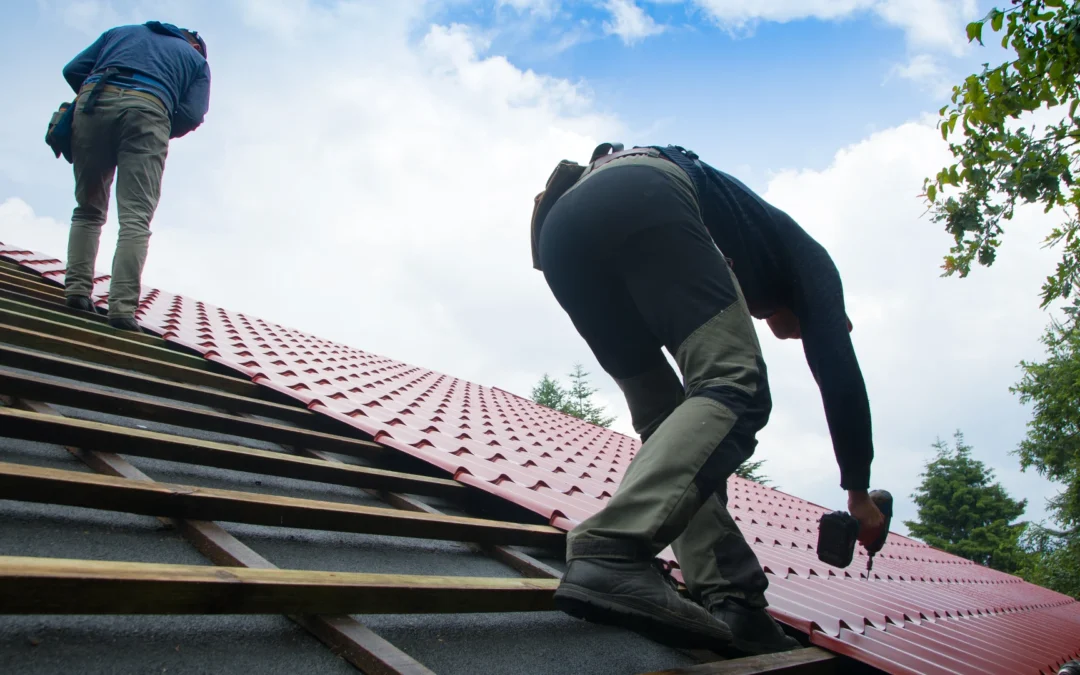
New felt (or a breathable membrane in modern installations) is then laid, followed by new battens, and then the tiles or slates are fixed from the bottom of the roof upward. Ridge tiles are bedded and pointed, any lead flashing around chimneys and valleys is replaced, and the whole structure is checked before the scaffold comes down.
The whole process for a standard house typically takes three to five working days, weather dependent. Your contractor should give you a realistic timeline at the outset.
Planning Permission and Building Regulations
One question we get regularly is whether planning permission is needed for a new roof. In most cases, the answer is no, replacing a roof with the same or similar materials is considered permitted development. However, there are important exceptions.
If your property is in a conservation area, you’ll likely need to use specific materials to match the character of the area. Listed buildings require listed building consent for any roofing work, regardless of the materials involved. It’s always worth checking with your local planning authority if you’re unsure and a responsible roofing contractor should flag this to you proactively.
Building regulations, on the other hand, are a separate matter. A new roof must comply with current building regulations relating to insulation, structural integrity, and ventilation. Failure to meet these standards can cause problems when you come to sell your property. A reputable contractor will ensure their work is compliant.
[→ Internal link: “Do You Need Planning Permission for a New Roof in the UK?”]
Making the Most of Your New Roof Investment
A new roof, done properly, is one of the most valuable investments you can make in a property. It protects everything beneath it, improves energy efficiency, and adds genuine market value. Estate agents consistently cite a well-maintained roof as one of the top factors buyers look at when assessing a property.
To get the most out of your investment, regular maintenance matters. Clearing gutters at least twice a year, removing moss before it embeds into the tiles, and having a professional inspection every five to seven years will significantly extend the life of your roof and catch minor issues before they become expensive ones.
At Will Fix It Home Improvements, we bring years of hands-on experience to every project we take on. Our team has worked on everything from Georgian farmhouses to modern new builds, and we take pride in delivering installations that are built to last. If you’re ready to discuss your roofing project, you can find out more about our new roof service.