
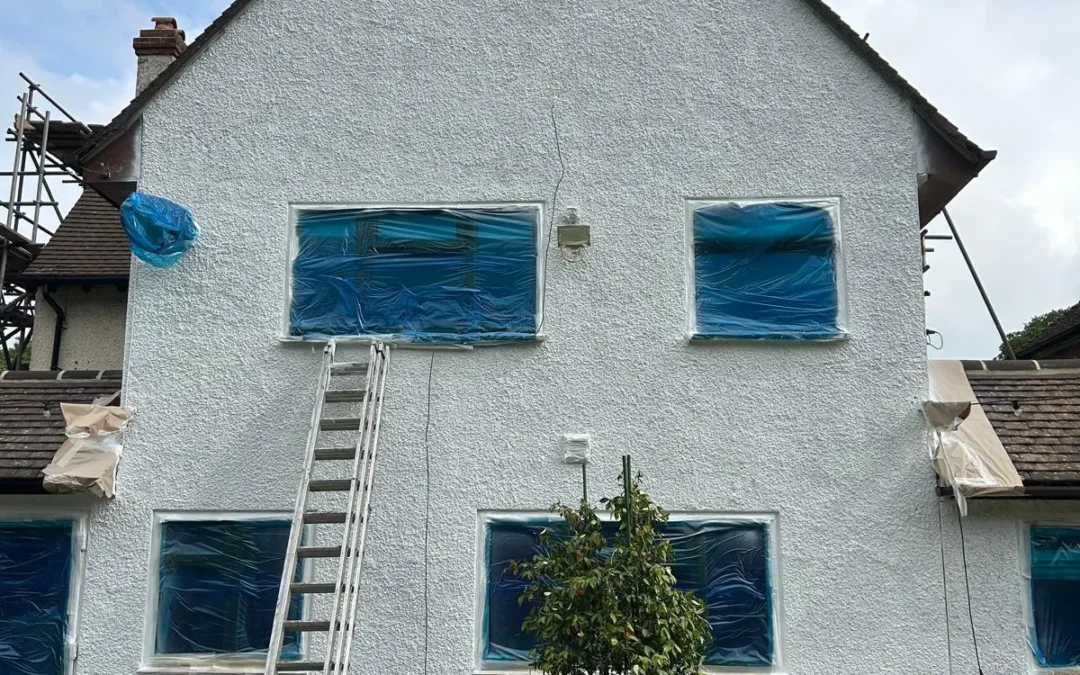
Exterior walls are constantly exposed to rain, wind and changing temperatures, which can gradually affect their condition. Over time, water penetration can cause damp patches, damaged render, peeling paint, and deteriorating brickwork. Applying a suitable protective coating can help reduce the amount of rainwater absorbed by external walls, particularly where the existing surface has become weathered.
However, choosing the right treatment involves more than simply covering the wall. The property’s age, construction materials and existing condition all need to be considered before work begins. Will Fix It provides exterior wall coating services to help homeowners protect their properties against the elements. We explain how waterproof exterior wall coatings work, why breathability matters, which warning signs to look for and what to consider before arranging professional application.
What Are Waterproof Exterior Wall Coatings?
Waterproof exterior wall coatings are protective treatments applied to external surfaces to help reduce water penetration and protect the underlying masonry or render. Depending on the product, they may form a protective surface layer or penetrate the material to repel water. Some coatings also refresh the appearance of tired or weathered walls. Unlike standard exterior masonry paint, specialist coatings are designed to provide additional protection against driving rain and weather exposure.
However, their performance depends on the product, the surface being treated and the quality of preparation and application. It is important to understand that water resistance does not necessarily mean a wall becomes completely waterproof. Cracks, defective pointing, damaged render and other structural issues may still allow moisture to enter. These problems should be assessed and addressed before a coating is applied.
Why Breathability Matters on Older London Properties
Many older London properties were built using traditional materials, such as brickwork and lime mortar, which allow moisture to escape through the walls. Applying an unsuitable coating can restrict this process, potentially trapping moisture and contributing to damp or deterioration. For these buildings, choosing a coating that resists water while allowing water vapour to pass through is particularly important.
Before applying a treatment, assess the existing wall for damaged pointing, cracks, failed render, and signs of damp. You may need to address these issues before applying any coating. Using a compatible product helps protect the exterior from rainwater while maintaining the wall’s natural moisture balance, reducing the risk of damage from trapped moisture.
Signs Your External Walls Need a Waterproof Coating
External walls can show several signs of weathering as they age. Although some symptoms may indicate that a protective coating could be beneficial, others can point to underlying defects that need separate attention. Inspecting the walls periodically can help you identify changes before further deterioration occurs. Watch for the following warning signs, and consider seeking professional advice if you are unsure what is causing them.
-
Water Absorption After Rain
If brickwork or render becomes noticeably saturated during rainfall, the surface may be absorbing water. Some moisture absorption is normal, but excessive or persistent wetting can increase the risk of deterioration. A professional assessment can help establish whether a water-repellent treatment is suitable.
-
Peeling or Flaking Exterior Paint
Paint that bubbles, flakes or peels may indicate poor adhesion, weathering or moisture beneath the surface. Simply painting over the affected area is unlikely to resolve the underlying cause. The wall should be inspected to identify the source of the problem before another coating is applied.
-
Cracked or Deteriorating Render
Cracks and damaged render can provide routes for rainwater to enter the wall. Loose sections may also indicate that the existing finish is failing. Repairs should be completed before applying a protective coating, as covering damaged render will not restore its integrity or prevent water entering through open cracks.
-
Damp Patches on Internal Walls
Damp patches, peeling wallpaper or discoloured plaster near external walls may be associated with penetrating rainwater. However, condensation, plumbing leaks and other moisture sources can produce similar symptoms. Identifying the cause is essential before deciding whether an exterior coating will help resolve the problem.
-
Weathered or Discoloured Exterior Surfaces
Faded paint, patchy render and surfaces that appear increasingly weathered can indicate prolonged exposure to the elements. These changes do not necessarily mean waterproofing is required, but they can justify an inspection. A suitable coating may provide additional weather protection while improving the appearance of tired external walls.
Types of Waterproof Exterior Wall Coatings
Different wall surfaces require different approaches to weather protection. The best treatment depends on the material, its condition, the property’s age, and whether the priority is reducing water absorption, refreshing the appearance, or both. Two common options include clear water-repellent treatments and pigmented protective coatings.
Clear Water-Repellent Treatments for Brick and Stone
Clear water-repellent treatments reduce liquid water absorption without significantly changing the appearance of exposed brick or stone. Depending on the product, they may penetrate the masonry rather than forming a visible surface film. This can help homeowners retain the original character of their property. The treatment must be compatible with the masonry and its moisture behaviour, and you should repair any defective pointing or cracks before application.
Pigmented Coatings for Rendered and Pebbledashed Walls
Pigmented coatings provide a coloured protective finish for suitable rendered and pebbledashed surfaces. They can help reduce rainwater penetration while refreshing the appearance of weathered walls. Available colours allow homeowners to update their property’s exterior without necessarily removing the existing finish. Before application, the surface must be sound, clean and appropriately prepared. The chosen product should also suit the substrate and provide suitable vapour permeability for the property’s construction.
How We Apply Exterior Wall Coatings at Will Fix It
Achieving a durable finish starts with assessing and preparing the existing wall. Before application, the surface should be checked for cracks, damaged render, loose materials and signs of moisture penetration. Any necessary repairs should be completed before work begins. The wall must then be prepared according to the requirements of the selected coating. This may involve cleaning the surface, removing loose paint and allowing sufficient drying time.
Applying a coating to a damp or poorly prepared wall can affect its adhesion and performance. At Will Fix It, we help homeowners explore suitable exterior wall coating options based on their property’s construction, condition and desired finish. Following the manufacturer’s application guidelines helps ensure the coating provides the intended protection against weather exposure.
What to Look for in a Wall Coating Contractor
Choosing the right contractor is important when investing in exterior wall protection. Before arranging work, consider the company’s experience, the suitability of its recommended products and the quality of its proposed preparation process.
Experience With Different Wall Types: Look for a contractor who understands the differences between brickwork, stone, render and pebbledash. Each surface has its own requirements, particularly for preparation, compatibility, and breathability. Experience with the relevant construction type can help ensure the recommended treatment is appropriate.
Clear Advice and Recommendations: A reputable contractor should explain why a particular coating suits your property and identify any repairs needed before application. Be cautious of promises that a coating will eliminate every damp problem. Clear recommendations should take account of the wall’s condition and the likely source of moisture.
Transparent Quotes and Guarantees: Ask for a written quotation outlining the proposed work, preparation requirements, coating system and associated costs. Check whether any guarantee applies and what it covers. Understanding these details before work starts helps you compare options and know what to expect.
Protect Your Home With Waterproof Exterior Wall Coatings From Will Fix It
Keeping external walls in good condition can help protect your property from prolonged weather exposure. A suitable coating may reduce rainwater absorption, improve the appearance of tired surfaces and form part of a wider exterior maintenance plan.
However, the right approach depends on your property’s construction, the condition of its walls and whether any existing defects need attention. Choosing an appropriate coating and preparing the surface properly are essential to achieving a lasting result.
Will Fix It helps homeowners explore exterior wall coating options suited to their properties. Whether your walls are showing signs of weathering or you want to improve their resistance to driving rain, our team can discuss your requirements and the options available.
Contact Will Fix It Today
If you are considering waterproof exterior wall coatings for your home, contact Will Fix It to learn more about our services. You can complete our online contact form to arrange an enquiry and take the next step towards protecting your property’s exterior. We can provide a free, no-obligation quote or discuss your wall coating requirements in more detail.