
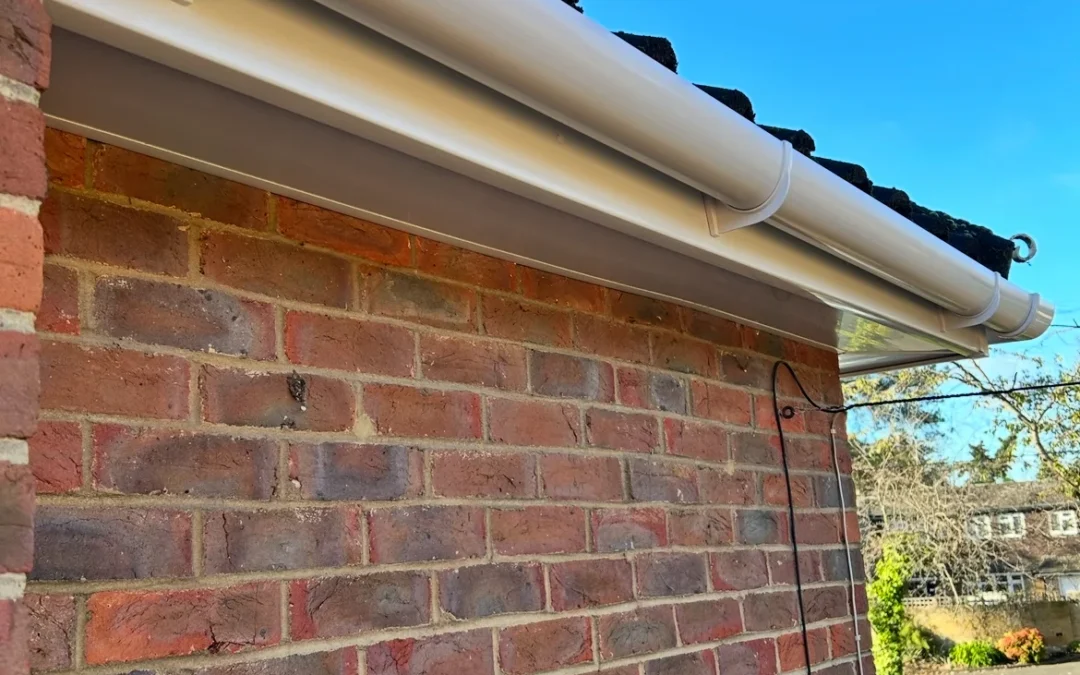
Most people don’t think about their gutters until something goes wrong and by then, the damage is usually already done. A small leak ignored for one season can lead to damp walls, rotting fascia boards, and even foundation erosion. The good news is that gutters are one of the more straightforward parts of a home to maintain, provided you know what to look for and act early.
At Will Fix It, we’ve spent over 25 years working on guttering systems across South West London from compact terraced houses in Balham to listed period properties in Richmond. Over that time, we’ve seen every type of gutter problem imaginable, and we’ve built up a genuine understanding of what works, what doesn’t, and what most homeowners get wrong. This guide pulls all of that experience together into one place.
Whether you’re dealing with a persistent drip, planning a full replacement, or simply want to know how often you should be cleaning your gutters, you’ll find a straightforward and honest answer here.
See our service page for gutter repairs and replacements in South West London
Why Gutters Matter More Than You Think
Gutters do one job, but they do it constantly, channelling rainwater away from your roof, walls, and foundations. When they work well, you’ll never notice them. When they fail, the knock-on effects can be surprisingly expensive.
Water that overflows from a blocked or broken gutter doesn’t just run down your wall harmlessly. Over time, it saturates the brickwork, causes damp patches on interior walls, degrades the mortar between courses, and can undermine the ground around your foundations. On older UK homes, particularly those with suspended timber floors, this kind of persistent moisture is the leading cause of dry rot.
Beyond structural concerns, there’s also the visual impact. Stained and streaked render, green algae growth along the roofline, and sagging fascia boards are all telltale signs of a poorly maintained gutter system. None of them are great for kerb appeal, and all of them raise questions for anyone buying or surveying the property.
The annual rainfall across Greater London sits at around 600mm per year, which might sound modest compared to wetter parts of the UK, but a standard semi-detached roof can shed thousands of litres of water during a single heavy storm. Your gutters are handling that every time the sky opens, which is why keeping them in good order isn’t optional.
Common Gutter Problems and What Causes Them
Over the decades, our team here at Will Fix It has found that most gutter issues stem from the same handful of causes. Understanding them makes it much easier to spot trouble early.
Blockages are by far the most common problem we encounter. Leaves, moss, roof debris, and even nesting materials from birds and squirrels build up in the gutter channel, stopping water from draining freely. When gutters overflow, water has nowhere to go except down the side of your property.
Sagging sections usually point to bracket failure, either because the fixings have corroded, or because the sheer weight of accumulated debris has pulled the gutter away from the fascia. You’ll often notice this as a visible dip in the gutter run, particularly over windows or doors.
Joint leaks happen where two sections of guttering meet. The rubber seal inside the connector deteriorates over time, especially after several freeze-thaw cycles through winter. A small drip at a joint is usually fixable with a sealant repair, but if multiple joints are failing, it often signals that the whole system is reaching the end of its serviceable life.
Cracking and splitting tends to appear on older UPVC systems that have been through years of UV exposure and temperature extremes. The plastic becomes brittle and fractures under pressure or impact. Cast iron gutters, meanwhile, are prone to rust if the protective coating isn’t maintained, though they generally outlast plastic by decades when properly cared for.
Fascia deterioration is often linked to gutter issues, because prolonged water ingress behind a poorly fitted or overflowing gutter softens the timber fascia board beneath. Once the fascia goes, the gutter has nothing solid to fix to.
How to Spot Gutter Damage Early
You don’t need to climb a ladder to tell whether your gutters need attention. Most warning signs are visible from the ground if you know what you’re looking for, and the earlier you catch a problem, the cheaper it tends to be to fix.
Start by standing back from the front and rear of the property after a rainfall. Watch whether water drains freely through the downpipes, or whether you can see it pooling and overflowing at any point in the gutter run. Any overflow at all suggests either a blockage or a failed section.
Look for dark streaking or damp patches on your rendered or painted exterior walls, particularly below the roofline. These stains usually indicate persistent overflow rather than a one-off heavy downpour. Similarly, patches of moss or algae on the wall surface are a strong indicator that water has been sitting there repeatedly.
Inside the house, damp patches on upper-floor walls or ceilings near the eaves can sometimes be traced back to gutter overflow, especially in older properties where the external wall insulation is thin. It’s easy to assume this kind of damp is a roofing problem and sometimes it is but ruling out the gutters first is always worth doing.
Finally, take a look at the fascia boards themselves. Peeling paint, soft or spongy-feeling timber, and visible rot around the gutter fixings all indicate that water has been sitting where it shouldn’t.
Will Fix It Gutter Inspection Service
DIY Repairs vs. Calling a Professional
There’s a sensible middle ground between ignoring a gutter issue and immediately calling out a contractor. Some things genuinely are straightforward enough for a competent homeowner to tackle, while others really do need a professional eye and the right equipment.
Clearing a straightforward blockage from a single-storey gutter, for example, is something a confident DIYer with a stable ladder, gloves, and a gutter scoop can manage safely. Resealing a single leaking joint with gutter sealant is also within most people’s capability, provided the joint is accessible and the gutter itself is in reasonable structural condition.
Where it gets more complicated is anything above ground-floor height, any work that requires the gutter to be removed and rehung, or situations where the underlying fascia or soffit is also deteriorating. Working at height on an uneven or older property carries real risk, and misaligning a gutter run, even by a few millimetres per metre, will mean it drains poorly no matter how well it was installed.
We’ve seen a fair number of jobs over the years that started as a homeowner DIY fix and ended up costing significantly more because a temporary repair masked a deeper problem for long enough that the damage spread. Getting a professional to assess the full system, even if you then tackle some of the easier jobs yourself, is almost always the smarter move.
Types of Guttering Available in the UK
Not all guttering is created equal, and the right choice for your property depends on several factors, the age and style of the building, the volume of rainfall you need to handle, and your budget for the project.
UPVC guttering is the most common system in the UK today, and for good reason. It’s lightweight, relatively affordable, available in a wide range of profiles and colours, and requires minimal maintenance beyond occasional cleaning. Most standard semi-detached and terraced houses built or reroofed after the 1970s will have UPVC guttering already in place.
Cast iron guttering is the traditional choice for period properties, and still the preferred option for listed buildings and conservation areas where planning requirements restrict modern materials. It’s heavier, more expensive, and requires painting every few years to prevent rust, but when properly maintained it can last a century or more.
Aluminium guttering sits between the two in terms of cost and performance. It’s lightweight like UPVC but more durable, doesn’t rust like cast iron, and is available in seamless runs that eliminate the jointing points where leaks so often develop.
Ogee and half-round profiles are the most common shapes you’ll encounter in South West London. Square-line profiles have become popular on newer builds and extensions for their cleaner, more contemporary look. The profile choice also affects the flow capacity of the system, which matters on properties with large or complex roof shapes.
The Gutter Replacement Process – What to Expect
If your gutters are beyond repair, or if you’re fitting a system to a newly built extension or renovation, replacement is a clean, typically one-day job on most residential properties. Understanding what’s involved helps you prepare and ask the right questions when comparing quotes.
The process begins with a proper assessment of the existing system. Before anything comes down, a good contractor should be checking the condition of the fascia and soffit boards, the roofline fixings, and the downpipe connections to the drainage system. Replacing gutters on rotten fascias is a short-term fix, the fascia needs to be addressed first, or the new gutter won’t have anything solid to hold onto.
Old guttering is then stripped back, starting from the downpipes and working along each run. The fascia is inspected again with direct access, and any sections that need replacing are dealt with before the new system goes in. The new gutters are then fixed to the fascia at a consistent fall of around 1:350, just enough gradient to drain freely, without being so steep that it’s visible from the ground.
Downpipe connections are checked and rebuilt where needed, and the whole system is tested before the team leaves. A reputable installer will also clear away all the old materials, it’s worth checking this is included in the quote.
Will Fix It Gutter Replacement South West London
Gutter Maintenance – How to Keep Your System Working
The single best thing you can do for your gutters is clean them twice a year, once in late spring after the trees are done flowering, and again in late autumn once the leaves have fallen. On a property with heavy tree cover, you might need to do it three or four times a year.
Beyond cleaning, it’s worth running a visual check from the ground after any particularly heavy storms. Wind can dislodge downpipe brackets, and a heavy accumulation of wet leaves can bow a gutter section away from the fascia overnight.
Gutter guards, mesh or foam inserts that sit inside the gutter channel, can reduce how often cleaning is needed, though they’re not a substitute for it. Debris still accumulates on top of the guard and eventually finds its way in. They’re worth considering on properties with very heavy leaf fall, but we’d stop short of calling them maintenance-free.
Every two or three years, get a professional to give the whole system a proper inspection. Things like joint integrity, bracket condition, and fascia health are difficult to assess from the ground, and catching a small issue early almost always saves money compared to dealing with the consequences of leaving it.
Book a Gutter Inspection with Will Fix It
Cost Guide – Gutter Repairs and Replacements in South West London
Gutter costs vary based on the size of the property, the material chosen, whether the fascia and soffits also need work, and the accessibility of the roofline. That said, it’s useful to have a rough benchmark.
For a typical three-bedroom terraced or semi-detached house in South West London, a straightforward UPVC gutter replacement, covering the full perimeter, generally falls in the range of £600 to £1,200, including labour, materials, and waste removal. Cast iron replacements run significantly higher, typically £1,500 to £3,000+, reflecting the material cost and additional installation time.
Repairs are obviously cheaper when caught early. A single joint reseal or a small section replacement might cost as little as £80 to £150. A full fascia, soffit, and gutter replacement on a larger detached property can reach £4,000 or more.
Always get at least two or three quotes for any significant guttering work, and be cautious of any company that provides a fixed price without a site visit. The condition of the fascia, the height of the building, and the complexity of the roofline all affect the final cost in ways that can’t be assessed from a photo.
Get a Free Gutter Quotation from Will Fix It
Conclusion
Gutters are unglamorous, but they’re genuinely important. A well-maintained system protects your walls, your roof structure, your foundations, and your interior from water damage and the cost of keeping them in good order is a fraction of the cost of dealing with the consequences when they’re not.
If you’re based in South West London and you’re unsure about the condition of your gutters, Will Fix It offers a free, no-obligation inspection. With over 25 years of experience across the full range of residential properties in the area, we’ll give you an honest assessment and a clear recommendation, whether that’s a simple clean, a targeted repair, or a full replacement.
Book your free gutter inspection with Will Fix It today